

Who I work with
Young people aged between 12-25 years old. Some arrive knowing exactly what they want to talk about; many arrive unsure or because someone else feels they could benefit from speaking to someone. Either way, the session belongs to them, and nothing else is required beyond turning up and be willing to explore themselves and their worlds.
I also meet parents and carers separately when it would help — to think about how best to support the young person in their life without taking over their space.
What we can work on
Anxiety and worry
Panic, overthinking, avoidance, and the pressure of exams.
Low mood
Flatness, withdrawal, losing interest in things that mattered.
Self-worth and identity
Shame, self-criticism, and working out who you are.
Friendships and family
Conflict at home, falling out, feeling on the outside.
Change and loss
Bereavement, separation, moving school.
Anger and overwhelm
Feelings that arrive faster than words.
If something isn't listed here, it is still worth asking about, because not everything in life has a straightforward name.
How therapy works
A first conversation
A free 15 minute phone call with you and/or your young person to find out what's going on, and decide together whether i'm the right person to help.
An initial session
We meet in person (unless you require online) and build the picture of the young persons life so far. No script — we talk, and by the end we agree what would be useful and how often to meet. No need to decide on the spot, as you can go away and discuss whether UVU Therapy is for you or not.
Regular sessions
Weekly sessions and where possible, the same time and day each week. Some people have six sessions, others stay longer, and some have a break and return as and when. There is no fixed course.
Reviewing and ending well
We check in on what's changing every few weeks, and plan the ending properly rather than letting it drift.
About Sidney
I remember being a teenager! It wasn't easy then and it definitely isn't now with the growth of technology, social media, expectations and people presenting their perfect bodies in a perfect world with their perfect mental wellbeing. And not forgetting that a neurotypical world is not easy for everyone to navigate.
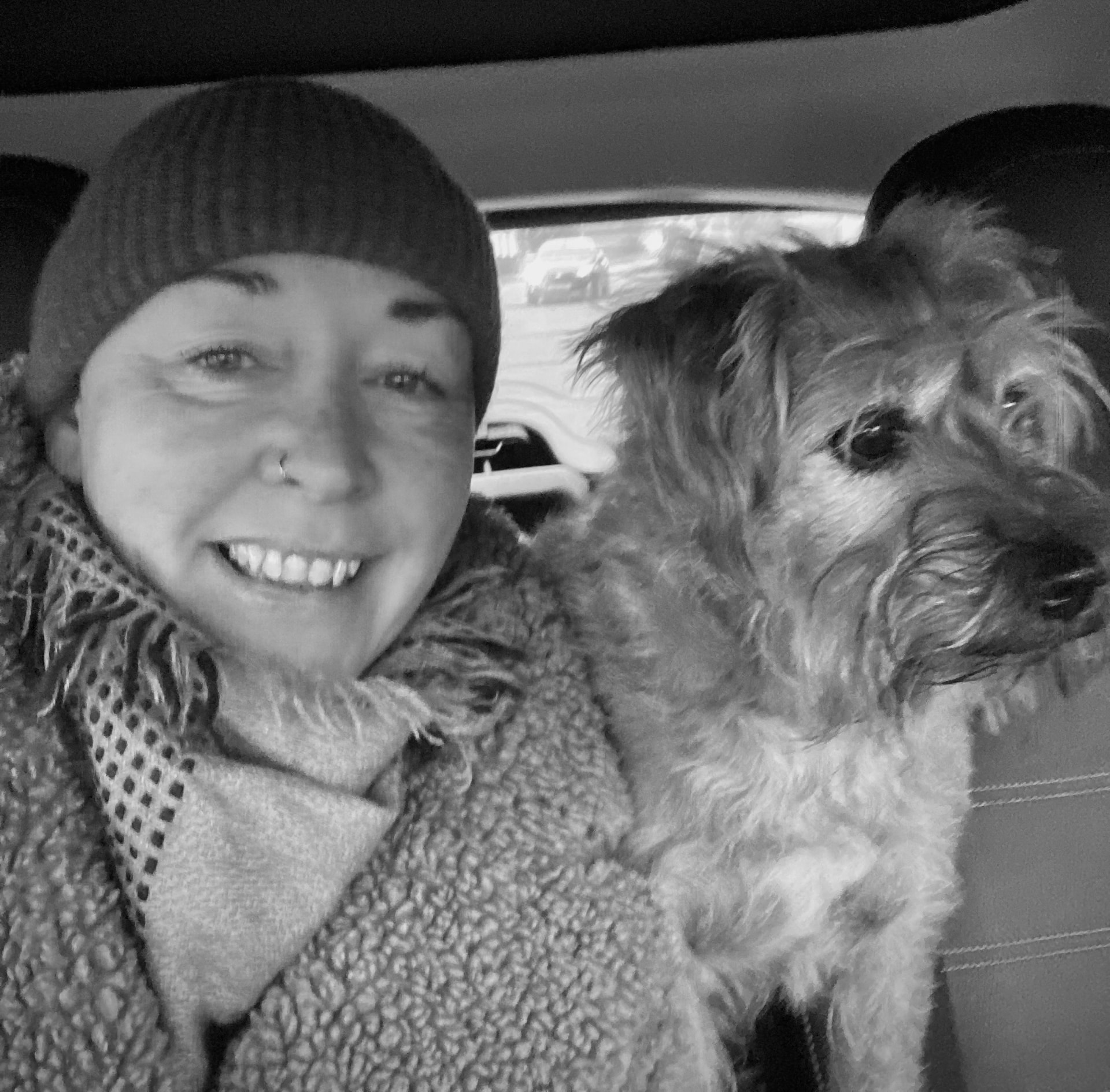
UVU Therapy was created after listening to the voices of the young people I worked with in education, and realising that they rarely found a space where they could just 'be'; say what they wanted, express their thoughts and feelings without judgement and not be fixed or micro managed, but just be listened too, empathised with and validated for how they feel.
My training is in humanistic and integrative therapy, and I'm a registered member of the BACP. But the work isn't about frameworks — it's about building enough trust that the version of you that's been hidden can finally come out and speak.
I hold a Level 6 Diploma in Counselling Adolescents Therapeutically, a Level 2 in Understanding Autism, a Level 3 safeguarding children & adults certificate and an enhanced DBS certificate.
“UVU” — you versus you — started as a way of describing the quiet conflict at the centre of growing up: the self you present to the world against the self you actually are. Therapy is where those two start to negotiate.
For parents
Confidentiality, held carefully
What your young person says in the room stays in the room. That privacy is what makes the work possible. The exception is safety: if I believe your young person or someone else is at serious risk, I will act, and wherever possible I'll tell them first.
Staying involved
You'll never be left in the dark. I offer a short review conversation with parents every six to eight weeks, covering themes and progress rather than transcripts, and I'm happy to talk before you commit to anything.
Practical things
Parents of under-16s are asked to give consent and to handle payment. You're welcome to wait nearby during the session, and for younger clients I'd usually prefer that you do.
Consultation
Parent consultations are separate from your young person's therapy. They give you space to explore what you're seeing, manage your own anxiety, and find practical ways to stay connected to your young person.
These sessions don't break your young person's confidentiality. We focus on your role, your responses, and the dynamics in the family system — not on sharing what has been said in the therapy room.
Fees
- Introductory phone call
- 15 minutes
- No charge
- Initial session
- 50 minutes
- £65
- Ongoing session
- 50 minutes
- £65
- Parent review meeting
- 20 minutes
- included as part of a paid session
- Parent Session
- 60 minutes
- £75
Location
- Address
- Coggeshall Road, Braintree, Essex, CM7 9DB.
- Getting here
Ten minutes' walk from Braintree station.
Get directions on Google Maps- Parking
- Parking is available but it is on a first come, first served basis.
- Online
- Video sessions are available for young people already known to me.